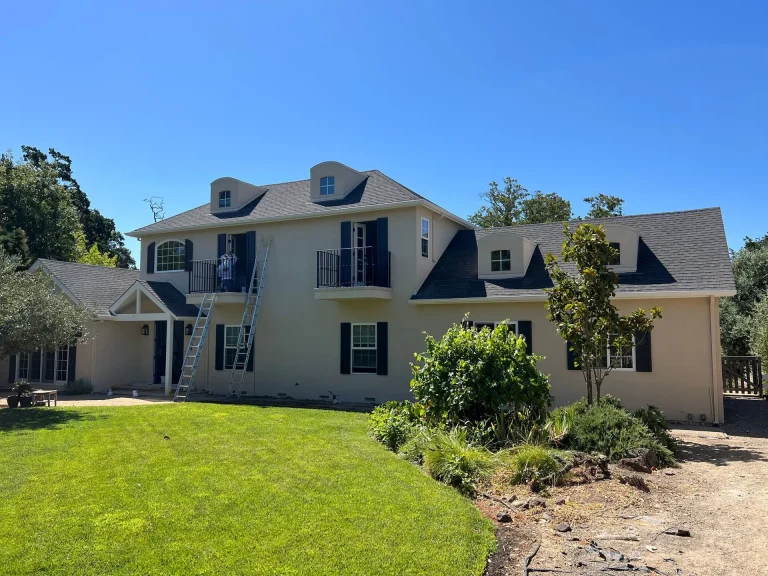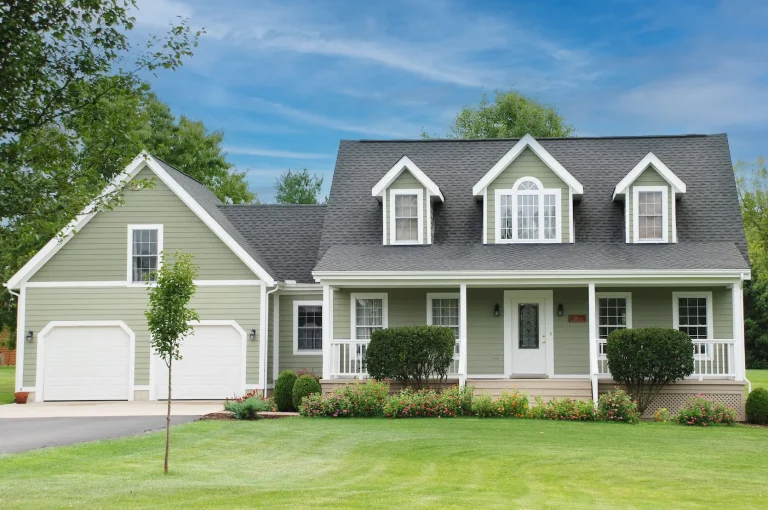
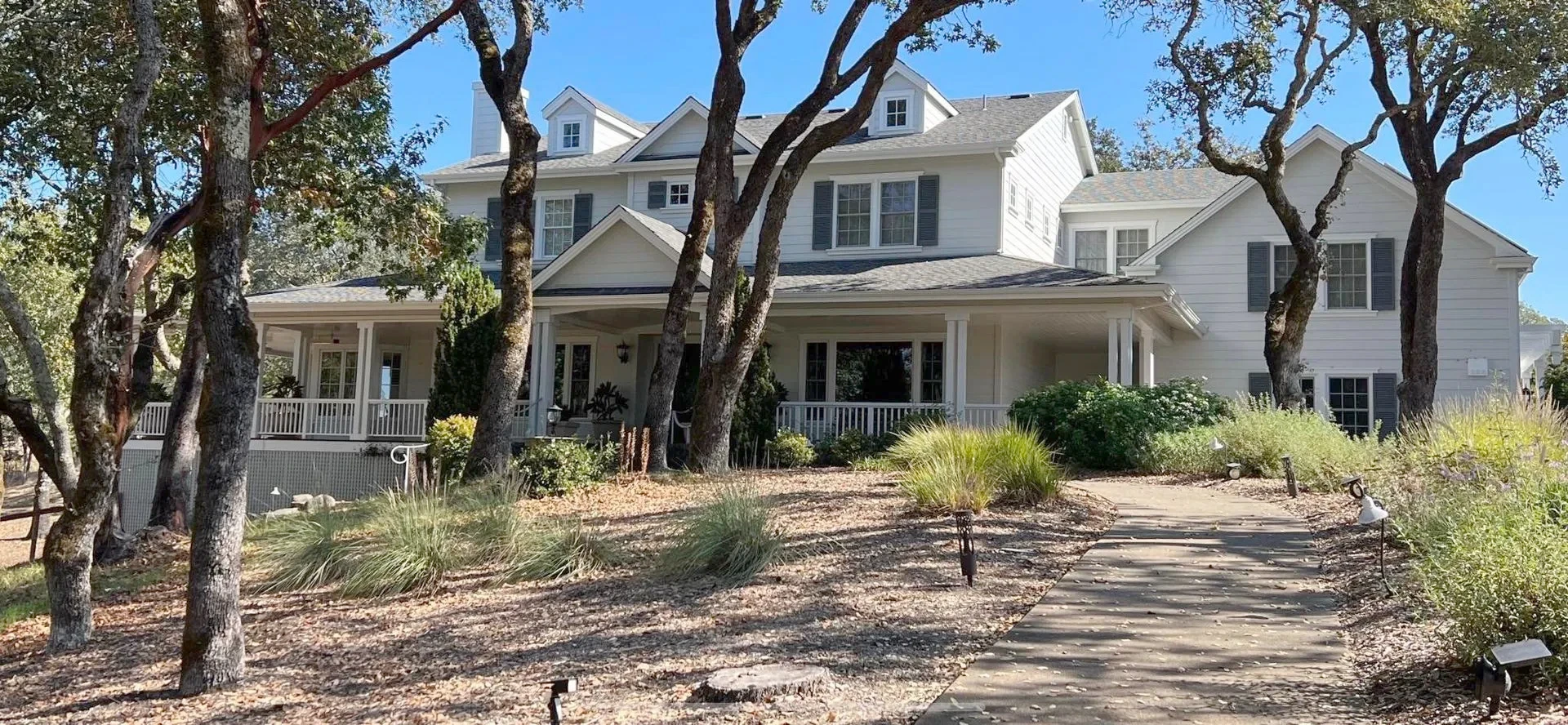
The biggest factors are the size of the surfaces, how much prep and repair they need, how hard they are to reach, how many colors and details are involved, and the quality of the paint. Prep is usually the biggest difference between a low bid and a lasting job.
1. Size and surfaces
It is not just square feet. A simple box shaped house paints faster than one with dormers, bay windows and lots of trim. Siding type matters too. Smooth stucco, wood shingles and board and batten all take different amounts of time.
2. Prep and repairs
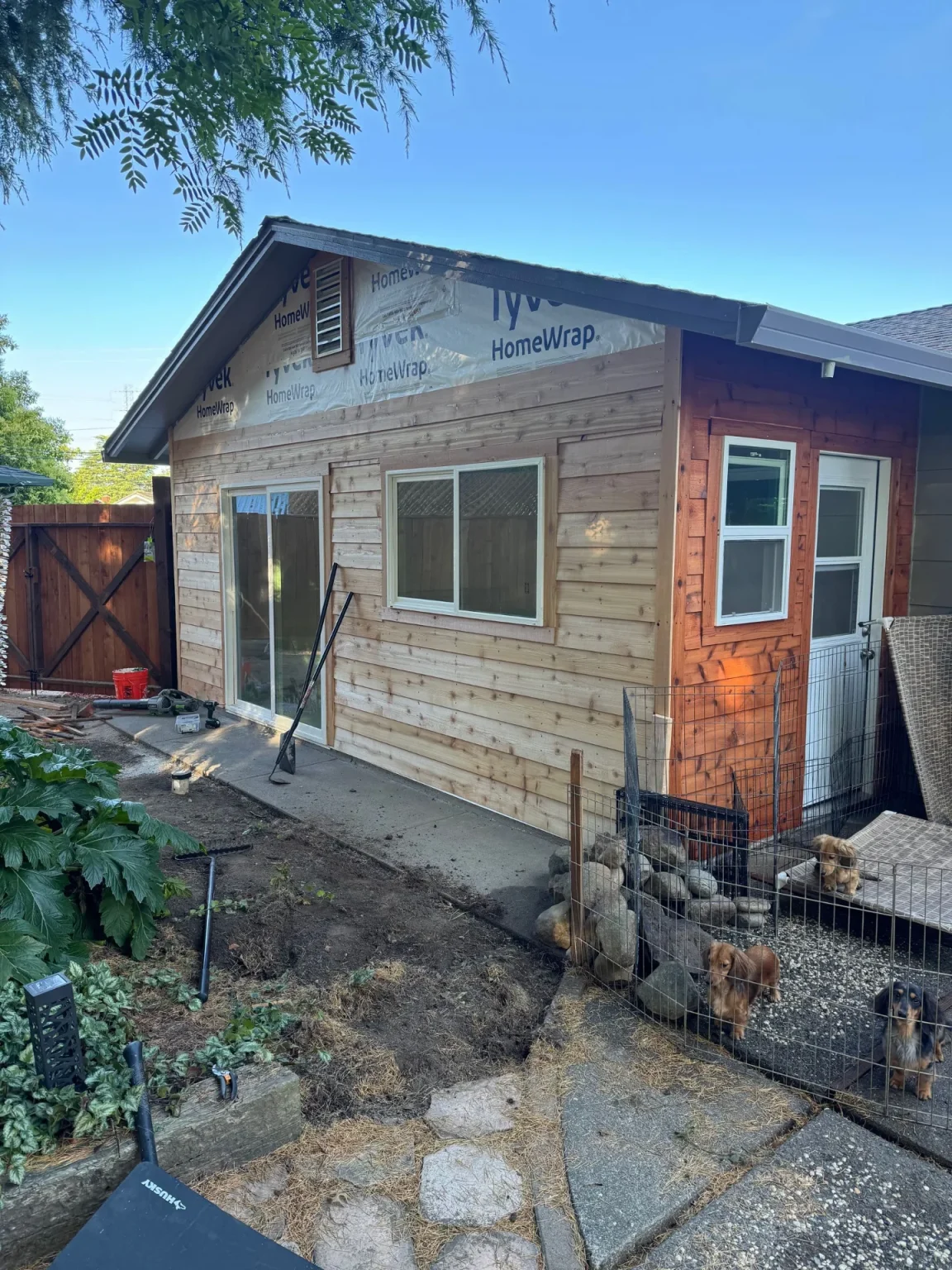
This is the big one. A house that was painted on schedule might need a wash and light scraping. A house that has gone too long can need heavy scraping, sanding, carpentry and primer on every bare spot. That work takes hours, and it is exactly what makes the new paint last.
3. Access
Tall walls, steep hillsides, tight side yards and second story windows all take more time and equipment. Ladders are one thing. Scaffolding or lifts are another, and they add to setup and safety time.
4. Colors and details
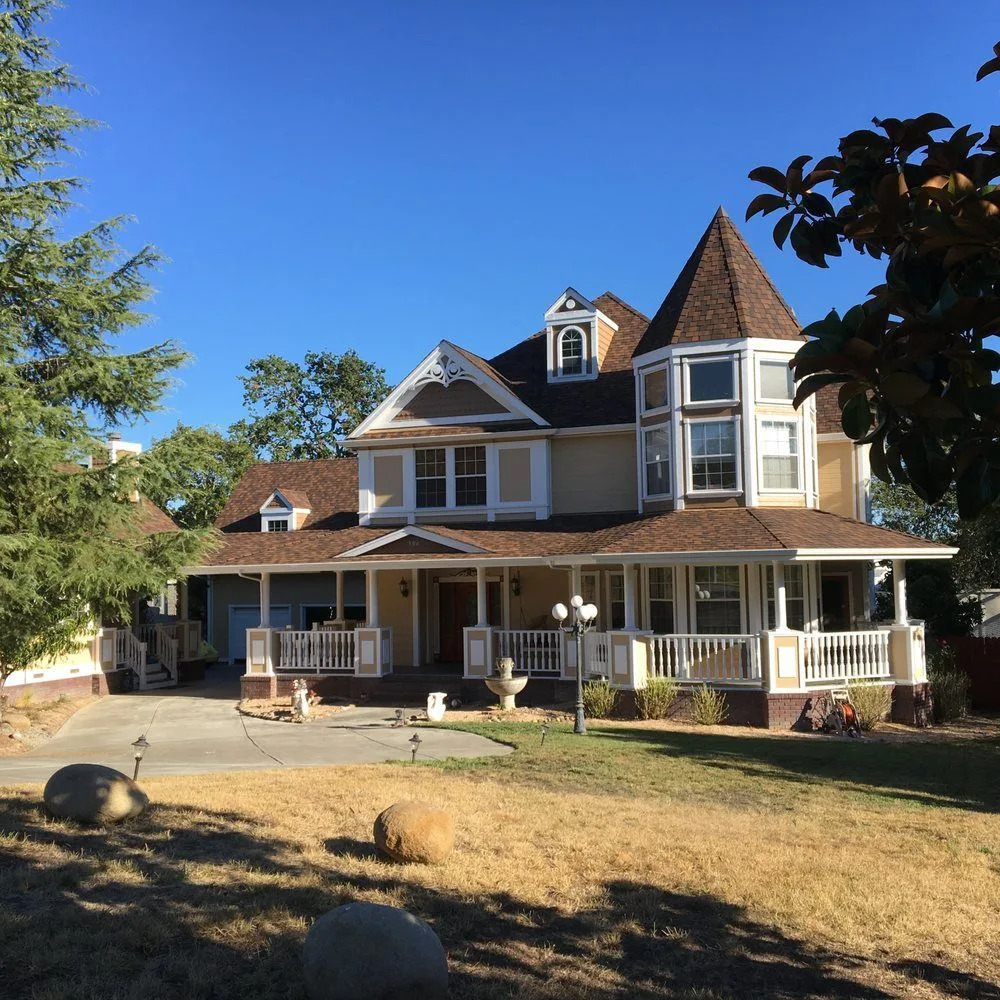
One color on the whole house is the simplest job. Each extra color, ornate trim, shutters, railings and decorative details adds careful hand work. A Victorian with three or four colors takes far longer than a ranch home in one.
5. Paint and materials
Quality paint costs more per gallon, but it usually covers better and lasts longer. Primers, caulk, masking and protective coverings add up too. Saving on materials is rarely a good trade on a job you want to last.
How to compare estimates fairly
A lower number is not always a better deal. Before you compare, make sure each estimate includes the same things:
- Washing and how it will be done
- Scraping, sanding and priming of bare wood
- Repairs, and how unexpected damage is handled
- Which surfaces are included, like trim, doors, decks and gutters
- The paint products and number of coats
- Cleanup and a final walk through
The easiest way to know what your home will cost is to have someone look at it. Our estimates are free and written out clearly, so you can see exactly what is included. Take a look at our residential painting work, or request your free estimate.
Common questions
Do you charge for estimates?
No. Every estimate is free and comes with no obligation.
Why is prep such a big part of the price?
Because it is the slowest part of the job and the part that decides how long the paint lasts. Skipping it makes a bid cheaper and the paint job shorter lived.
Can I save money by doing some prep myself?
Sometimes, like trimming back plants or moving outdoor furniture. Scraping, repairs and priming are best left to the crew so they are done consistently.