
Wash stucco thoroughly, let it dry completely, fill hairline cracks with a flexible patch or caulk, repair larger cracks properly, prime where needed and use a paint made for masonry so moisture can escape.
Why stucco is different
Stucco is a cement based coating with a rough, porous surface. It soaks up water, holds onto dirt in its texture and moves slightly as the ground and the house shift. A good paint job has to grip that rough surface and still let moisture escape from the wall.
Washing comes first
All that texture traps dust, cobwebs and mildew. Paint will not bond to any of it. Stucco needs a careful wash, then time to dry completely, because it holds water longer than wood.
Cracks: small, medium and serious
- Hairline cracks are normal and usually cosmetic. A flexible patch or elastomeric caulk fills them before painting.
- Wider cracks need to be opened up slightly, filled and textured so the repair blends in.
- Cracks with bulging, crumbling or water stains can point to a bigger problem behind the wall and should be looked at before painting.
The chalk test
Rub your hand across the stucco. If it comes away with a dusty powder, the old paint has broken down. That chalky layer has to be washed off and often primed, or new paint will flake off with it.
Choosing the right product
Stucco does best with paints made for masonry that let water vapor pass through the wall. Some homes benefit from thicker elastomeric coatings that bridge small cracks, while others need a breathable paint instead. The right choice depends on the wall, its age and its condition, which is why it is worth having someone look before you buy anything.
Do not forget the trim
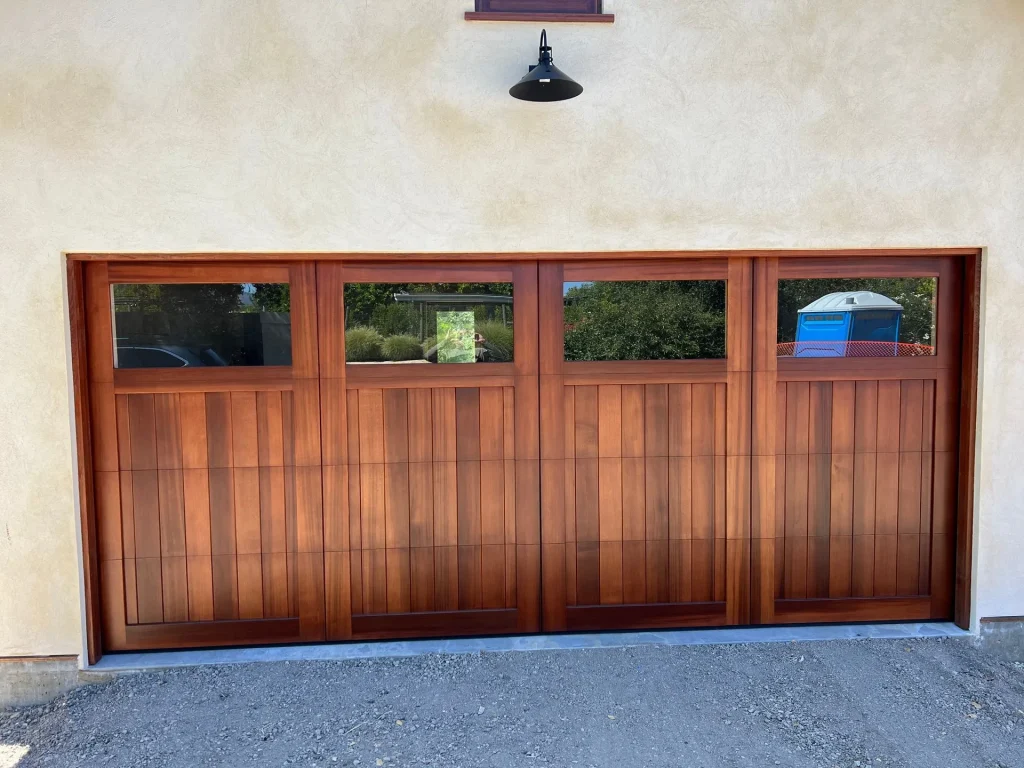
Most stucco homes still have wood trim, fascia, doors and garage doors. Those need their own prep and paint, and they are often where the house shows its age first.
Planning a stucco repaint? See our exterior painting work, or request a free estimate and we will check the walls with you.
Common questions
How long does paint last on stucco?
Stucco paint jobs often last longer than paint on wood siding, especially with good prep. Sun exposure and the condition of the wall make a big difference.
Can you paint over stucco cracks?
Small cracks should be filled first with a flexible product. Paint alone will not hide them for long.
Do you repair stucco before painting?
Yes. We fill and texture cracks and repair damaged areas as part of our prep.